Pretty images are easy to celebrate and hard to ship. I learned that the expensive way, sitting across from clients who loved the first generation and then asked for six more versions that somehow still looked like the same brand. That gap—between an image that wins a scroll-stop and an image that survives a real campaign—is why Image Continuity exists. Gemini Nano Banana 2.1 can produce striking visuals. The question that matters for U.S. freelancers, small agencies, e-commerce operators, and marketing teams is whether those visuals can hold identity, accept controlled changes, and clear production review without collapsing into a new set of pretty but unusable frames.
The Commercial Distance Between Attractive and Approved
Why “Looks Good” Is Not a Workflow
Most AI-image coverage stops at the moment the generation looks impressive. That is the beginning of the test, not the end. A commercial brief almost never asks for one beautiful still. It asks for a product that stays recognizable across five ad concepts, a character who remains the same person after a wardrobe change, or a packaging mockup that still reads at Instagram size after the client moves the logo three millimeters. When the only measure is visual appeal, the workflow hides the real friction: identity drift, text failure, revision breakage, and the handoff to design tools that still have to finish the job.
What Production Friction Actually Looks Like
In agency years I watched the same pattern repeat. The moodboard lands. The first hero image earns smiles. Then the notes arrive: keep the product, change the background; keep the lighting, swap the season; keep the composition, make it feel more premium. Each request is reasonable on its own. Together they expose whether the generation system can protect the parts that matter while altering the parts that do not. If every change forces a full regenerate, the “speed” advantage evaporates under the weight of re-art-directing from scratch.
The Decision Framework We Use Here
Every major test on this site begins with a creative brief and ends with one of three verdicts: usable as-is, usable with revision, or not ready for production. We score consistency, editability, brand fit, text accuracy, revision speed, aspect-ratio flexibility, and resilience under client-style feedback. The goal is not to declare a model a winner or a loser. The goal is to document where the commercial distance still exists and what a human art director still has to supply.
Why a Field-Tested Blog Beats Prompt Lists
The Limits of Isolated Magic Prompts
Prompt libraries travel well on social feeds. They travel poorly into client decks. A prompt that once produced a perfect coffee bag on a marble counter may produce three different bags and two different counters the next afternoon. Without a documented sequence—brief, inputs, instructions, output order, failure points, revision count, final verdict—the prompt remains a lucky anecdote. Image Continuity treats every test as a short production run rather than a single generation event.
Building Repeatable Systems Instead of One-Off Wins
The useful unit of work is the visual system, not the single frame. That means tracking how a product’s distinctive silhouette, label hierarchy, and material cues survive scene changes. It means measuring how many controlled edits a base image can absorb before identity breaks. It means recording the exact moment the model should hand off to Figma or Photoshop because the remaining work is typesetting, precise alignment, or brand-guideline enforcement that still belongs to design software.
What U.S. Creators Actually Need
Freelance designers and social-media managers do not need another gallery of impressive stills. They need evidence that a workflow can absorb the notes that arrive at 4:47 p.m. on a Thursday. Small brands need to know whether an AI-generated packaging concept will still look like their product after the first round of feedback. Agencies need to know where the model saves time and where it simply relocates the art-direction labor. Those are the questions this site answers with documented tests rather than enthusiasm.
How Image Continuity Will Operate
Start With the Brief, Not the Prompt
Every article in the Brief to Board category opens with a realistic commercial request written the way a client or creative director would write it. The prompt or instruction set comes second. The sequence of outputs, the points of failure, and the human judgment calls come third. This order forces the model to serve the brief instead of forcing the brief to serve the model’s strengths.
Separate Model Capability From Art Direction
A generation can be technically impressive and still wrong for the brand. Lighting can be cinematic and still too dramatic for a wellness product. Color can be rich and still outside the approved palette. Texture can be detailed and still erase the product’s distinctive edge treatment. We name those distinctions clearly so readers can see where the model contributed and where human visual systems thinking still carried the result.
Treat Failure as Useful Data
The “beautiful but unusable” folder is not a shame archive. It is a diagnostic tool. Images that look finished yet fail the brief reveal the exact distance that remains between generation quality and production readiness. Publishing those cases, along with the fixes that recovered them, gives other creators a faster path around the same traps.
What Success Looks Like for This Site
Documented Repeatability Over Volume
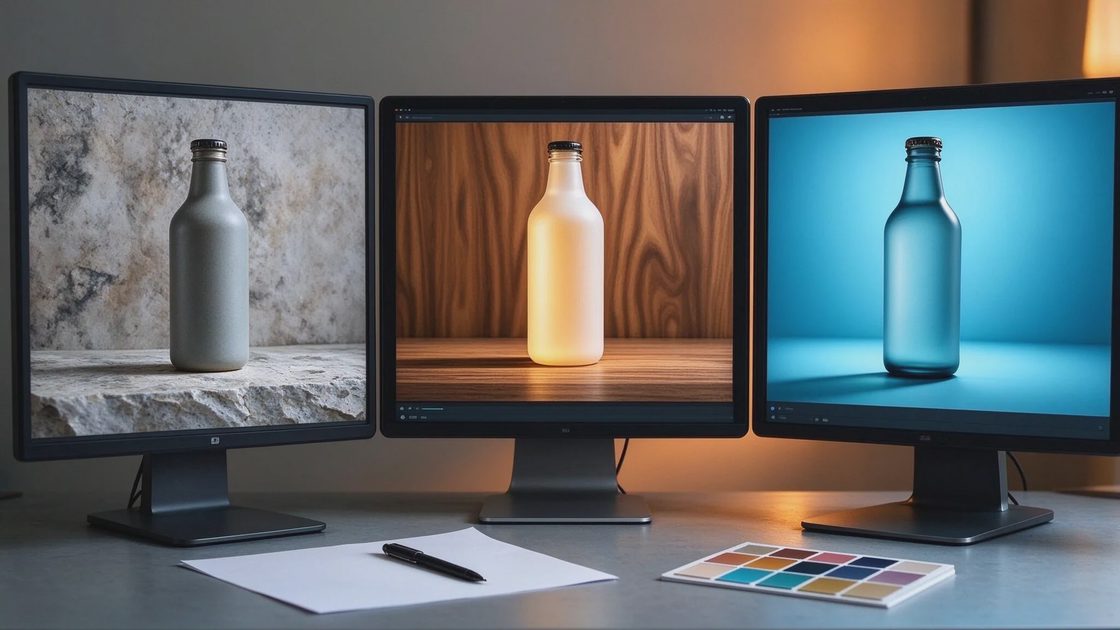
The editorial moat is not the number of prompts published. It is the number of times a workflow survives a second, third, and fourth round of realistic change requests without losing the identity that made the first image useful. When a test shows that five product scenes can be generated while the bottle silhouette, label hierarchy, and material response stay coherent, that is progress worth recording. When the same test shows that the sixth scene quietly alters the cap geometry, that is equally worth recording.
Clear Hand-Off Points
No commercial image workflow ends inside the generation interface. Typography, precise logo placement, accessibility contrast checks, file naming, and final brand-guideline compliance still require design tools and human review. Image Continuity will mark those hand-off moments so readers know when to stop iterating inside the model and start finishing the asset properly.
A Working Definition of Continuity
Visual continuity under commercial revision means the core identity markers—product shape, character likeness, brand color relationships, material behavior, and compositional logic—remain stable while the variables the brief actually wants changed are allowed to move. Pretty is the beginning of that test. Usable is the only finish line that matters to a client who has to approve the work and to a designer who has to ship it.
That is the standard this site will apply to every Gemini Nano Banana 2.1 test that follows. The first generation can be beautiful. The twentieth revision still has to look like it belongs to the same system.
For AI tool features, rules and availability, refer to their official sites.
Leave your thoughts here, too.