
A coffee brand brief looks simple until the notes arrive. “Keep the bag identical, make the light warmer, add a ceramic cup but don’t let it compete, and give us three vertical crops for Stories.” That is the distance between a pretty generation and a set of assets a small roaster can actually post. I ran Gemini Nano Banana 2.1 through a complete, realistic coffee-brand brief—from locked moodboard constraints to hero image, controlled revisions, and social-ad variants—to document exactly where the model saves time and where visual-systems discipline still has to finish the job.
Translating the Brief Into Non-Negotiable Constraints
The Client-Style Request
The brief read: “We need a hero product shot and supporting social variants for a new single-origin bag. The bag must remain the same physical object across every frame—same silhouette, same label hierarchy, same matte kraft texture. Mood is quiet morning light, minimal props, ceramic accents only. Deliver one square hero, three vertical Stories crops, and one wider feed variant. Text on the bag must stay legible at phone size. We will handle final logo lockup in design software.”
Moodboard Rules That Actually Matter
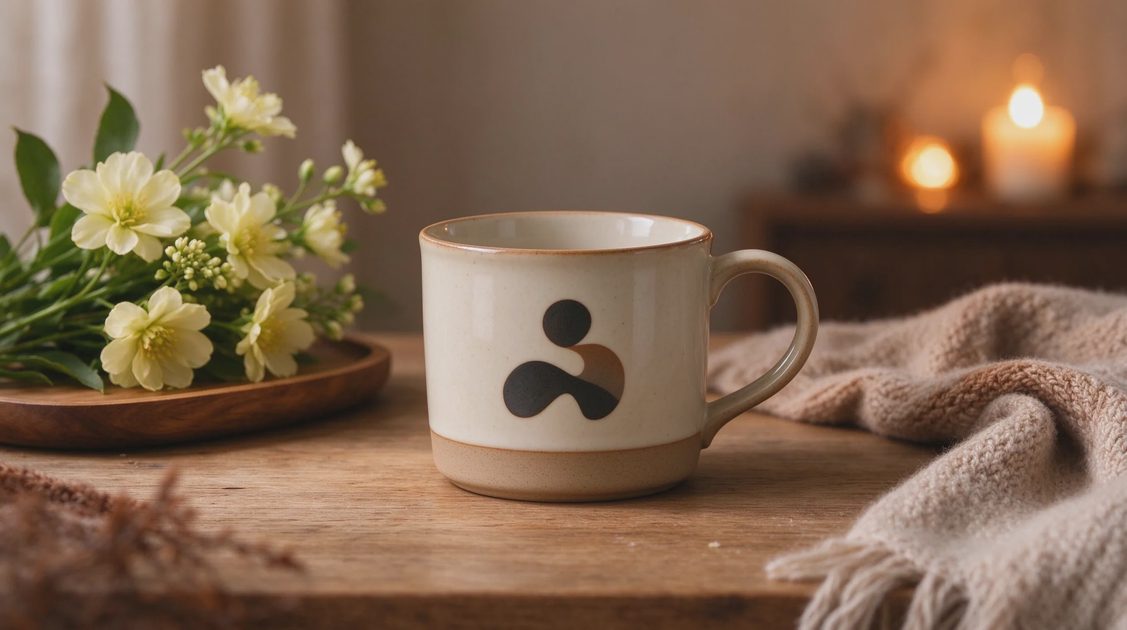
Moodboards often become decorative. Here they became constraints. Warm side light only—no hard overhead. Negative space on the right third for potential copy. Props limited to one ceramic cup or saucer, never competing with the bag. Color relationships locked to the kraft bag, soft oatmeal linen, and muted terracotta. Any generation that violated those rules was discarded even if it looked more dramatic.
Why Constraint Language Beats Aesthetic Adjectives
Instructing the model with “quiet morning light, matte kraft, ceramic only, protect bag geometry” produced more coherent first frames than stacking words like “cinematic, artisan, elevated.” The former protects identity. The latter invites the model to invent new details that break the system. Commercial prompting is brief translation, not poetry.
Generating and Locking the Hero
First Successful Base Image
After three exploratory generations, one frame locked the bag silhouette, label hierarchy, and matte response under soft side light with a single ceramic cup placed low and left. The kraft texture read correctly. The secondary label text was imperfect but close enough that a design tool could finish it. That frame became the protected base for every subsequent edit.
Side-by-Side Identity Check
Before any revision, the base was compared against the physical product reference at 100 percent zoom on five markers: bag shoulder curve, primary logo placement, kraft fiber texture, drop-shadow behavior under the bag, and the exact relationship between bag and cup. Only after those markers held was the image allowed to enter the revision sequence.
Early Failure Cases That Taught the Limits
Two earlier generations looked finished yet failed. One introduced a subtle gloss on the kraft that the real bag does not have. Another shifted the secondary label upward by a distance that would have been obvious in a client review. Both were beautiful. Both were discarded. Pretty remains the beginning of the test.
Controlled Revisions Toward Social Variants
Single-Variable Light and Prop Adjustments
From the locked base I requested only a warmer practical light temperature while protecting every bag marker. The model preserved geometry and texture with only a minor shift in reflected light on the lower third of the bag—acceptable after a quick design-tool color match. A second request added a small saucer beneath the cup without altering bag scale. The saucer appeared; the bag held. These two edits confirmed that narrow environmental changes remain among the more stable operations.
Vertical Crop and Negative-Space Protection
The Stories crop request was more revealing. Explicit language—“tighter vertical crop, keep bag and cup relationship identical, preserve right-side negative space”—still produced a slight rescale of the bag to fill the new frame. The identity markers survived, but the compositional logic shifted. The fix was to accept the generation as directional and finish the exact crop and negative-space proportions in a layout tool.
Multi-Variant Set Assembly
The final set contained the square hero, three vertical crops at different tightness levels, and one wider feed frame. Two of the verticals required minor geometry restoration in design software. The wider frame held cleanly. The complete set could be presented to a client as “usable with light finishing” rather than “ready to post.”
Production Handoff and Client-Ready Checklist
What Moves to Design Tools Immediately
Any remaining text refinement on the bag label, exact logo lockup if required, final color grading to match brand guidelines, and precise pixel dimensions for each platform. The model supplied the lighting idea, the material response, and the overall mood. The design file supplies accuracy and delivery specs.
Client-Review Simulation
I staged a realistic revision round: “Love the hero. Make the light a touch cooler and give us one more vertical with the cup removed.” The cooler-light edit held identity. The cup-removal request caused a small but visible shift in bag placement. That frame was corrected in the design tool rather than re-generated, preserving the lighting quality already approved.
Time and Continuity Accounting
Total generation and controlled-edit time was substantially shorter than a traditional multi-setup product shoot. The continuity QA and design-tool finishing time was not zero. The net gain appears when the art director treats the model as a rapid lighting and mood explorer rather than a finished-asset machine. For a small coffee brand shipping weekly social content, that gain is real—provided the identity checklist is never skipped.
A realistic coffee-brand brief exposes the same commercial distance every product category eventually hits. Gemini Nano Banana 2.1 can move a locked moodboard to a coherent hero and a set of social variants faster than traditional methods. It cannot yet guarantee that every crop and every prop change will leave the bag looking like the same physical object without human verification. The workflow that wins is the one that locks the successful base early, changes one variable at a time, and hands off the moment precision matters more than exploration.
Stage | Key Action | Identity Risk | Recommended Next Step |
|---|---|---|---|
Moodboard lock | Define light, props, color, negative space | Low if constraints are written | Generate exploratory frames |
Hero selection | Side-by-side marker check | Medium | Protect base before any edit |
Single-variable edits | Light, prop, minor crop | Medium–High | Verify at 100% zoom |
Multi-crop set | Stories and feed variants | High on rescale | Finish exact crops in design tool |
Client notes | Cooler light, remove prop | Medium | Prefer design-tool fix over re-generate |
For AI tool features, rules and availability, refer to their official sites.
Leave your thoughts here, too.